

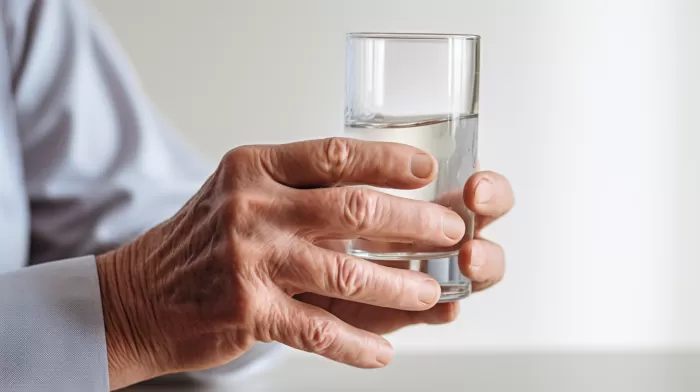
Did you know that dehydration is more common than you think, especially as we get older? It can lead to a range of health issues, many of which can be misinterpreted or go unnoticed. Staying hydrated is essential for maintaining our health and wellbeing, so let’s dive into the vital information you need to know about dehydration and how to stay properly hydrated throughout your life.
The dangers of dehydration
As we age, our body’s ability to perceive thirst begins to decrease. This can be dangerous, as we may not feel the need to drink water, even when our body is dehydrated. Dehydration leads to a range of symptoms, including thirst, fatigue, weakness, pain, and loss of appetite. Over time, these can progress to headaches, loss of concentration, loss of balance, increased irritability, and delirium.
Seniors who are dehydrated may feel less motivated to drink water, as they may not want to expend the energy needed to get a drink or use the bathroom. This can be especially true for those who struggle with incontinence. Additionally, many seniors take medications that can further exacerbate dehydration, such as antihistamines, which can also block hydration and lead to acidic blood.
Without proper hydration, our body experiences a buildup of acid waste, which contributes to the aging process and chronic disease. Over time, dehydration can lead to an acid/alkaline imbalance (overacidity), which has been linked to a range of health problems. Acidity in the body can also lead to low oxygen levels, increasing the likelihood of contracting infections.
Staying hydrated
To avoid the dangers of dehydration, aim to drink six to eight glasses of water a day, regardless of whether you feel thirsty. Other sources of hydration can include teas, fruit juices (avoid those with high fructose corn syrup), and fresh fruits and vegetables. Foods with high water content, such as soups, yogurt, cottage cheese, pudding, and certain fruits and vegetables (oranges, apples, grapes, berries, watermelon, carrots, and leafy greens) can also help promote hydration.
For caregivers looking after elderly individuals who struggle to stay hydrated, try these tips to encourage their water intake:
- Use a closed-top container with a straw. Drinking from a straw may be easier for seniors and could encourage them to drink more.
-
Find a drink the person enjoys. If a beverage does not taste appealing, the elderly individual is less likely to drink it. Offer a variety of drinks, such as fruit juices, herbal teas, and broths, to find what they enjoy.
-
Provide high-water-content foods. Including foods with high water content in their meals can help increase their overall hydration levels.
Conclusion
Staying properly hydrated is essential for maintaining optimal health, particularly as we age. By being aware of the dangers of dehydration, taking steps to promote adequate water intake, and seeking help from a healthcare professional if needed, we can work towards preventing dehydration and supporting overall wellness for ourselves and our loved ones.


![8 Simple Rules to Refresh Your Body with a Healthy Cleanse [See Pictures]](https://naturalhealthreserve.com/wp-content/uploads/2024/01/8-rules-healthy-cleanse-slideshow-300x168.webp)