
Antibiotics have revolutionized the world of medicine, providing a solution to numerous bacterial infections and saving countless lives. However, antibiotics are now becoming less effective due to overuse and improper practice, leading to bacteria becoming more resistant. This issue raises concerns regarding simple surgical procedures becoming life-threatening in the future.
Evolving Resistance
Bacteria and fungi have co-evolved for millions of years, constantly changing and competing for resources. Since the discovery of penicillin, antibiotic resistance was probably inevitable. However, poor practices have accelerated the process. Up to 80 percent of antibiotics in the United States are used on livestock as low doses encourage growth and prevent diseases. Antibiotics are also being over-prescribed by physicians for viral colds and flus, where they are ineffective. Additionally, individuals often stop taking antibiotics before completing the full course of treatment, enabling the stronger pathogens to survive and reproduce.
Taking Action
A recent report suggests that the “superbug” epidemic in hospitals is far more serious than previously estimated, prompting politicians and public health officials to consider drastic action. Some proposals to curb antibiotic overuse include restrictions on farm use, sanctions against physicians who overprescribe these drugs, and efforts to encourage people to complete their antibiotic treatments. There has also been a push for developing new antibiotics and diagnostics to detect bacterial diseases, permitting more appropriate care and smarter antibiotic use.
Fighting Superbugs
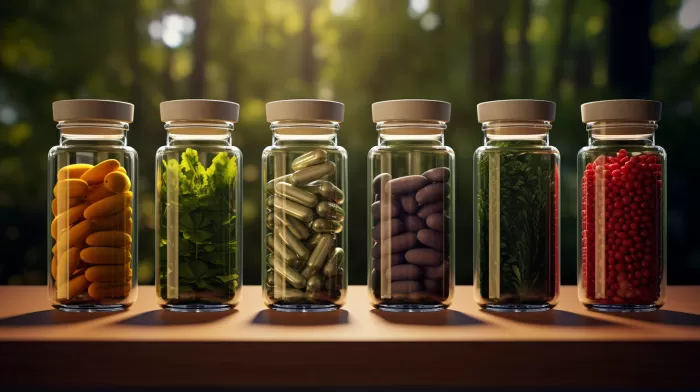
Herbs have been used for centuries to help the body fight infections, and with antibiotics losing effectiveness, scientists are now studying these botanical alternatives. A study published in the Journal of Ethnopharmacology found 19 traditional Asian plants effective against MRSA bacterial infections. These include Elsholtzia rugulosa, often used in Asia to make herbal tea, and the herb Fo-Ti (Polygonum multiflorum). Other studies show that garlic extract can help combat salmonella, staph, E.coli, and other bacteria, while oregano, rosemary, grapefruit seed extract, and goldenseal are known for their antibacterial effects. A traditional Tibetan Herbal Formula also showed antibacterial activity against gram-positive bacteria, including MRSA.
Boosting Immunity
Maintaining a healthy lifestyle that promotes immune resistance is crucial in the fight against antibiotic resistance. An anti-inflammatory diet, containing leafy greens and cruciferous vegetables like broccoli and cabbage, has been shown to boost immunity at a genetic level. It’s essential to avoid foods that spike blood sugar, suppress the immune system, and support the growth of pathogenic bacteria. Fermented foods such as kefir, sauerkraut, yogurt, and miso encourage the growth of healthy gut bacteria. Regular exercise, staying hydrated, and sufficient sleep are also critical in maintaining a strong immune system.
By embracing updated antibiotic practices, nurturing a healthy immune system, and supporting our bodies with antibacterial herbs and botanicals, individuals can contribute to the solution against antibiotic resistance. It is crucial that we take the necessary steps to protect ourselves and ensure our health is prioritized.