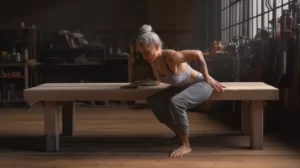

Tight hamstrings create issues not only for athletes but also for individuals who merely walk or engage in daily activities. This problem can cause pain in the lower back, hips, and quad muscles in front of the legs. Just like tight cables, tight hamstrings pull the pelvic structure off-balance. When experiencing low back or hip pain, people often try to stretch these areas. While short-term gains are possible, success tends to be short-lived because the underlying problem originates in the hamstrings. Working on muscle spasms and tightness in the hamstrings can alleviate pain in other affected areas.
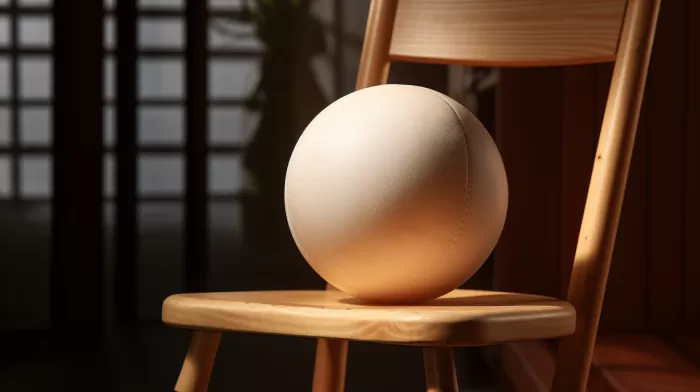
To create more mobility and lengthen hamstrings, all you need is a standard lacrosse ball and a firm, flat surface, such as a wooden or metal chair. Place the ball on this surface and sit, positioning the ball under the belly of the hamstring, i.e., the middle part of the muscle. The ball should press into the tight muscle trigger point like acupressure, lengthening the hamstring. Moving the leg over the ball approximates massaging or flossing the muscle.
When the ball compresses the muscle, it loosens tissues and expels old, stale blood. While the pressure is lifted, fresh blood, nutrients, and oxygen flow back into the tissues. This combination enables the muscle to heal, returning to normal resting length and proper functioning.
Technique and Repetitions
Begin by sitting on the chair with the ball in place under one hamstring, adjusting the amount of weight based on the pressure you feel. If this causes pain, lessen the load by slightly raising the leg by tilting to one side. If there isn’t enough pressure, press your leg down into the ball. This compression is the first step.
Next, extend your leg by contracting the quadriceps, creating a flossing effect with the leg’s movement over the ball. Do approximately ten repetitions in total, spreading them across the belly of the muscle, above it, and to the side or below it. This variation will enhance the exercise and the muscle workout. Each time you repeat the exercise, you should feel more comfortable and experience less pain, enabling you to apply more and more pressure on the ball.
You should perform one set of ten repetitions on each leg per day but can do more if desired. After a few days or weeks, you may notice a significant difference.
Additional Tips and Exercises
Consider incorporating other hamstring exercises into your routine to further improve your flexibility and mobility. One such exercise, known as the seated hamstring stretch, involves sitting on the edge of a chair or bench and extends one leg straight out while keeping the heel on the floor. Lean forward slightly to feel the stretch in your hamstring and hold this position for about 30 seconds, repeating three times on each leg.
Another option is the standing hamstring stretch. Stand and place one foot in front of the other, bending the knee of your back leg. Keep the front leg straight and lean forward at the hips to stretch the hamstring. Hold the position for 30 seconds and complete three repetitions on each leg.
Conclusion
By including these effective but straightforward exercises in your routine, you can begin to address the root cause of low back, hip, and leg pain by stretching out tight hamstrings. Increasing your flexibility and mobility takes time and persistence, so be patient and keep working at these exercises until you notice a difference. With improved hamstring flexibility, you can enjoy a more active lifestyle and participate in activities without experiencing persistent discomfort.