

Restless leg syndrome (RLS), although seemingly trivial to many, can be a debilitating condition for those who suffer from it. RLS typically strikes at night, leaving sufferers with itchy, tingling sensations in their legs that can impact their ability to remain still and sleep. Considering that people with sleep disorders are up to 65% more likely to develop cancer and have a 40% higher chance of dying in the next eight years, RLS should be taken seriously.
Finding an effective treatment for RLS can be challenging. Often, doctors will prescribe ropinirole, a drug that sometimes helps, but other times worsens symptoms. It also has side effects like dizziness, fainting, severe nausea, narcolepsy, and hallucinations. Luckily, there is now a natural treatment option for RLS that is over one and a half times more effective than ropinirole.
A Simple Solution
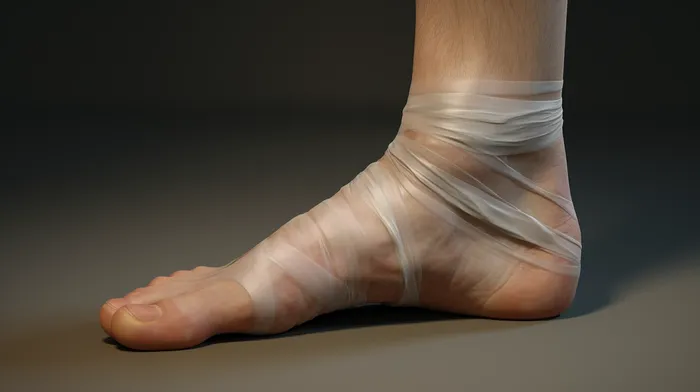
Researchers at the Lake Erie Research Institute in Pennsylvania found that a straightforward foot wrap could alleviate RLS symptoms effectively. The wrap works by applying pressure on two muscles in the foot — the abductor hallucis and the flexor hallucis brevis. In an eight-week clinical trial, 30 participants with moderate RLS tried this simple method. A stunning 90% of participants experienced a significant improvement in their symptoms — compared to only 63% of those who took ropinirole. Furthermore, those using the foot wrap reduced their sleepless nights by a remarkable 82%.
The wrap is thought to be effective because it targets the precise muscles known to affect RLS symptoms and helps the brain produce more dopamine, as those with RLS are thought to have a dopamine deficiency. As stated by lead researcher Phyllis Kuhn, “By putting pressure on specific muscles in the feet, we can create a response in the brain that relaxes the muscles activated during RLS. It’s a near-perfect example of the body regulating itself without drugs, many of which have the potential for significant adverse side effects.”
Other Treatment Methods
While the specific wrap used in the study is not yet available for purchase, there are other leg wraps on the market you can use to treat RLS. You can also explore massage and acupressure, both of which have a similar effect. Both methods apply pressure to the specific muscles that alleviate your RLS symptoms and encourage your brain to release dopamine.
Massaging the legs may relax muscle tension and allow blood to flow more easily. Simple ankle rotations or tracing the alphabet with your legs are other home exercises that may work for some people. You may also choose to wear compression stockings or socks, which could help alleviate your symptoms by providing extra pressure to your legs in bed.
Maintaining a healthy lifestyle, exercising regularly, staying hydrated, and managing stress are all lifestyle changes you can make to reduce the symptoms of RLS. You should also consider eliminating triggers like alcohol, nicotine, and caffeine, and reviewing your medications to potentially find a connection between certain drugs and RLS symptoms.
When it comes to RLS, bedtime routines are also quite essential. Try to stick to a strict schedule and create a comfortable, cool, quiet, and dark environment to sleep in. You could also experiment with sleep positions or using pillows between your legs, and consider taking a warm bath or using a heating pad or cold compress to help alleviate the sensations.
RLS can be a debilitating condition that has far-reaching consequences on overall health. Thankfully, alternative methods that might provide at least some relief from symptoms are now available.