

Every four minutes, an American loses their life to stroke. But what if there were specific foods that could help lower the risk of this dangerous and often life-altering event? Researchers in France have discovered that certain nutrients can greatly reduce the likelihood of experiencing a stroke, particularly the intra-cerebral hemorrhagic kind, which occurs due to a ruptured blood vessel within the brain.
Vital Vitamin C
One key nutrient that stands out in the fight against stroke is vitamin C. When there isn’t enough of this essential vitamin in your system, you become more susceptible to the negative consequences of stroke. So how can you ensure you’re consuming enough vitamin C to lower your risk of stroke?
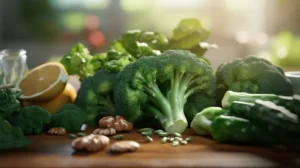
The key is incorporating more vitamin C-rich foods into your diet, such as oranges, berries, broccoli, cauliflower, and papaya. According to researcher Stéphane Vannier, M.D., of Pontchaillou University Hospital in Rennes, France, “Our results show that vitamin C deficiency should be considered a risk factor for this severe type of stroke, as were high blood pressure, drinking alcohol, and being overweight in our study.”
Although further research is required to fully understand how vitamin C specifically aids in stroke reduction, it’s a promising start. Vitamin C is known to help regulate blood pressure while also playing a crucial role in the production of collagen—a protein found in bones, skin, and tissues.
Boost Your Diet
To protect against stroke, it’s important to include a variety of vitamin C-rich options in your everyday meals. Here are five fantastic choices that can be easily added to your diet to help reduce your risk of stroke:
- Oranges: Citrus fruits, such as oranges, are well-known for their high vitamin C content. Enjoy a fresh orange, whip up a glass of fresh juice, or add some slices to a salad for an extra burst of flavor and nutrients.
-
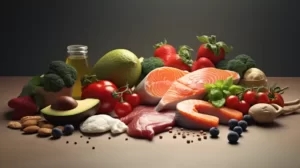
Berries: Blueberries, strawberries, and raspberries are all packed with vitamin C and other antioxidants. Toss a handful into your morning oatmeal, yogurt, or smoothie for an immune-boosting treat.
-
Broccoli: This cruciferous vegetable is not only rich in vitamin C, but also fiber, vitamin K, and cancer-fighting compounds. Steam, roast, or sauté broccoli for a nutrient-dense side dish, or add it to a stir-fry for a satisfying and healthful meal.
-
Cauliflower: Similar to broccoli, cauliflower boasts high levels of vitamin C and other nutrients. Roast, puree into a creamy soup, or enjoy raw with a delicious dip for a tasty and nutritious snack.
-
Papaya: This tropical fruit is not only an abundant source of vitamin C but also offers an enzyme called papain, known for reducing inflammation and aiding digestion. Add papaya to a fruit salad or scoop it out and eat it as a refreshing treat.
A Well-Rounded Approach
Incorporating more vitamin C-rich foods into your diet is an effective and delicious way to lower your risk of stroke. However, this should be part of a larger strategy for maintaining overall health. Other factors that contribute to the potential for stroke include high blood pressure, obesity, heart disease, and a sedentary lifestyle.
To take a well-rounded approach to reducing your risk, maintain a healthy and balanced diet, engage in regular physical activity, and limit alcohol consumption. By making these changes, you’ll not only be decreasing your chances of experiencing a stroke but also improving your overall quality of life.