
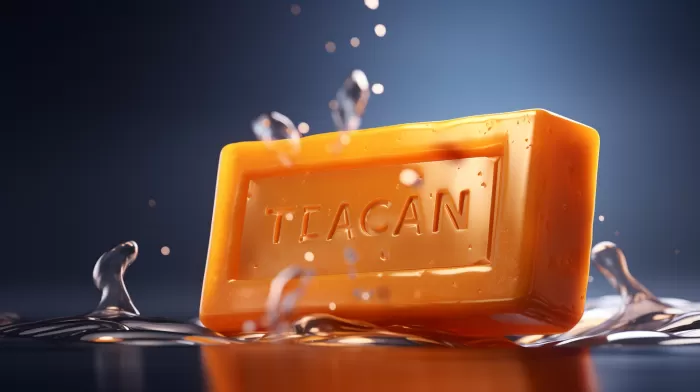
Antibacterial soap has become a fixture in many households, with people relying on it to kill germs and keep their families safe from bacteria. Little did they know that antibacterial soap actually contains chemicals that can put your health at risk. And the more research that comes out about this common household product, the more disturbing the findings become.
The Hidden Dangers of Antibacterial Soap
The main culprits in antibacterial soap are the chemicals triclosan and triclocarban. At first glance, these may not sound concerning, but they have been found to increase the risk of infection, disrupt hormones, cause liver fibrosis, and even lead to cancer.
What’s truly alarming is that triclosan and triclocarban are not only present in antibacterial soap but can also be found in shampoos, toothpaste, and other household items. Remember that these chemicals can be absorbed through the skin or ingested orally, which makes it all the more important to be vigilant about the products you use.
Triclosan: A Pervasive Threat
Triclosan has become so pervasive that it has shown up in people’s urine, blood, breast milk, and snot. A staggering 97% of lactating women have been found to have it in their breast milk, while 75% of people have it in their urine. This means that there is a high likelihood that you, too, have been contaminated by this harmful chemical.
But that’s not all. A 2014 study by the University of Michigan revealed that if triclosan is present in your snot, there is a 50% greater chance of having the Staphylococcus aureus bacteria in your nose. This is the bacteria responsible for potentially deadly staph infections.
Another study published that same year found that mice exposed to triclosan over six months had a higher likelihood of developing liver tumors, and larger ones at that. This is because triclosan causes liver toxicity and liver fibrosis, which can eventually lead to cancer.
Triclocarban: Passed On to the Next Generation
Recent research focusing on triclocarban has shown that pregnant rats exposed to the chemical pass it on to their offspring through their breast milk. This, in turn, affects their babies’ gut microbiota, with nursing pups exposed to triclocarban having significantly less beneficial bacteria in their gut than those pups not exposed.
As gut health has a major impact on overall health, this is a major cause for concern. If your body were a coal mine, your gut health would represent the canary, with triclosan and triclocarban effectively killing the canary (and potentially you).
The Questionable Efficacy of Antibacterial Soaps
Given all these potential health risks, you might assume that antibacterial soap must be incredibly effective in killing bacteria when used for hand washing. As it turns out, this is not the case. Triclosan and triclocarban are only really effective at killing bacteria when used for longer washes. If you’re using antibacterial soap for a quick hand rinse, you’re likely doing more harm than good.
Even the FDA, which has a questionable track record when it comes to allowing dangerous products to remain on the market, has raised concerns about the efficacy of antibacterial soaps. The FDA is considering forcing antibacterial soap companies to remove these harmful chemicals if they cannot prove their benefits.
Reading Labels and Making Healthier Choices
Given the hazards associated with antibacterial soap and its questionable effectiveness, it’s smart to ditch these soaps for good. There are plenty of alternatives that clean just as effectively, without the side effects.
It’s crucial to read labels carefully to ensure that harmful chemicals like triclosan and triclocarban are not present in your household products. From hand soap to toothpaste, make smarter choices for the health and safety of you and your family.
For more information on the dangers of antibacterial soap, visit sources such as Ars Technica, Science Daily, and the American Society for Microbiology.