
Did you know that not all testosterone is equal? That’s right – there are two types of testosterone, and having low levels of one type can significantly increase your risk for fast-growing prostate cancer. Let’s delve deeper into the world of testosterone and find out what men can do to maintain healthy levels and keep prostate cancer at bay.
The Two Types of Testosterone: Free and Bound
Most of the testosterone in the body is in its bound form, tied up by either albumin or a molecule called serum hormone binding globulin (SHBG). Only a small percentage of your testosterone is free, roaming around the body and doing crucial work like protecting your heart, growing muscles, and maintaining prostate health.
Having too much SHBG reduces the amount of free testosterone available in the body. And low free testosterone can be particularly dangerous, as it could turn a prostate being watched for cancer into one that develops fast-growing prostate cancer.
Researchers recently found that men with free testosterone levels of less than 0.45 ng/dL had a higher rate of developing fast-growing prostate cancer than those with levels above this threshold. In fact, having low free testosterone increases the risk of deadlier prostate cancer by a staggering 430 percent!
According to researcher Ignacio San Francisco, M.D., these findings contradict the long-held belief that high testosterone is risky for prostate cancer, while low testosterone is protective. For those already being monitored for prostate cancer, low values of free testosterone could be an important factor in deciding whether to initiate treatment rather than stick to observation alone.
How to Maintain Healthy Free Testosterone Levels
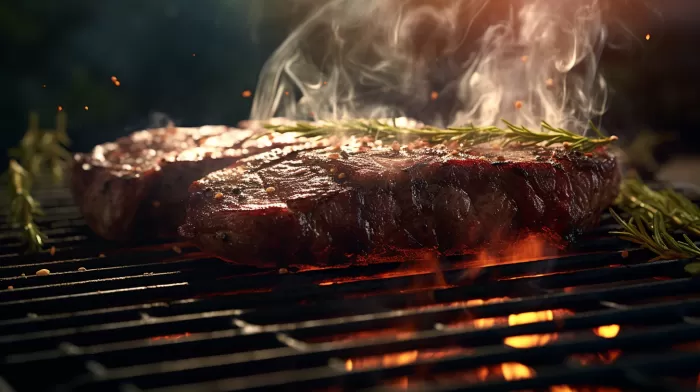
One way to prevent low free testosterone levels is simple: eat red meat. This superfood contains the saturated fat that correlates with higher testosterone levels in men, as well as zinc, which aids in producing free testosterone.
However, don’t go feasting on any old red meat. It’s crucial to opt for grass-fed meat because it’s rich in B-vitamins. These vitamins are critical for synthesizing testosterone and also help in the absorption of zinc, thereby aiding in the production of testosterone further.
So, what happens if you’re not a meat-eater? A study comparing vegans and omnivores found that vegans had 23 percent higher levels of SHBG, which reduces the amount of free testosterone in the body, and three percent lower levels of free testosterone.
Other Ways to Boost Your Testosterone
While diet plays a significant role in maintaining healthy testosterone levels, there are other steps you can take to give your testosterone a boost. Some of these include:
- Exercise. Regular physical activity, particularly strength training, can help increase testosterone levels. A 2016 study found that testosterone levels increased after a 12-week resistance training program, specifically in men aged 40-64 years.
-
Sleep. Quality sleep is crucial for overall health, including hormone production. One study discovered that men with reduced sleep saw a significant drop in their testosterone levels. Aim for 7-9 hours of quality sleep per night to optimize testosterone levels.
-
Reduce stress. Prolonged stress is harmful to testosterone levels, as it leads to the increased production of cortisol, a hormone that can suppress testosterone. Work on stress management techniques, such as meditation, deep breathing exercises, or yoga to reduce stress and support healthy testosterone production.
-
Take supplements. Some supplements, like zinc and vitamin D, may help boost testosterone levels. Consult your doctor before adding any new supplements to your routine to ensure it’s safe and necessary for your individual needs.
Remember – maintaining healthy testosterone levels is crucial for men’s overall health and well-being. Stay proactive by eating a diet rich in zinc and B-vitamins (such as grass-fed red meat), getting regular exercise, prioritizing sleep, reducing stress, and considering supplements if needed. These measures can go a long way in boosting your free testosterone levels and protecting you from deadly prostate cancer.