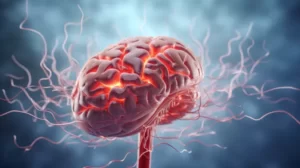


Fasting has become a popular trend in the health and fitness world, but did you know that incorporating intermittent fasting into your routine can help you avoid various diseases like cancer, stroke, and Alzheimer’s? Intermittent fasting is the practice of fasting once or twice a week on a consistent basis, where you don’t eat anything for a defined period.
Why Choose Intermittent Fasting?
There are numerous reasons why intermittent fasting can contribute positively to your overall health. Some of these reasons include:
- Genetic disposition to certain diseases like prostate cancer, diabetes, or inflammatory disorders.
- Scientific research has proven that fasting can have anti-cancer benefits by denying cancer cells of sugar, which is essential for their survival.
- Fasting has nothing to do with weight loss, but it does help regulate important hormones like leptin and ghrelin, which are responsible for regulating fat storage and hunger signals.
Health Benefits of Intermittent Fasting
Various health studies and research have shown that intermittent fasting can have multiple health benefits such as:
- Increased lifespan
- Lowering bad cholesterol
- Reduced inflammation
- Build lean muscle mass while decreasing fat
- Reduces brain aging
- Reducing blood pressure
- Slowing the aging process
- Naturally increasing Human Growth Hormone (HGH) in men
- Reducing the risk of chronic disease and stroke
- Decreasing your risk of cancer
- Reduced risk of diabetes
- Positively affecting brain function in patients with dementia or Alzheimer’s disease
How to Incorporate Intermittent Fasting into Your Life
It might be challenging to start intermittent fasting, but following these steps can make the transition easier for your body:
- Choose a day that works for you on a consistent basis.
- Have a light dinner the night before and try to avoid meat and animal protein.
- Drink lots of fluids during your fasting day to feel full. Opt for water or detox teas, but avoid caffeine, dairy, and fruit or vegetable juices.
- Remind yourself of the health benefits and stay busy when you feel hungry.
- Avoid taking supplements during your fasting day.
- Eat a light and nutritious meal to break your fast.
- Keep a clean and healthy diet after your fasting day and avoid going back to unhealthy habits.
Intermittent fasting might not be easy at first, but it does get easier over time as you start to experience the health benefits it provides. Losing weight might be a small part of it, but it is not the primary goal of intermittent fasting. It is more of a lifestyle program to help you feel better and prevent chronic diseases.